

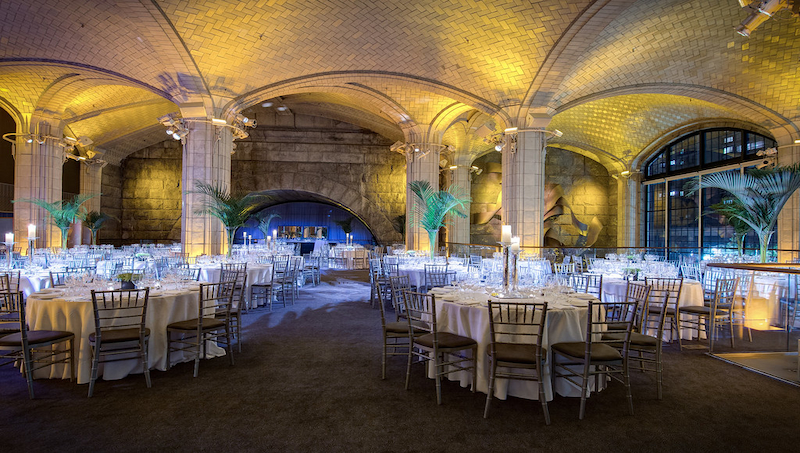
Booking the wrong venue is one of the few planning mistakes that cannot be fixed after the fact. Every other detail has a workaround. A late caterer can be pushed. A weak speaker can be edited down. The room itself is fixed once the contract is signed, and it shapes how every guest experiences the day. Choosing well in a city as crowded and expensive as Manhattan takes a clear method rather than a lucky search. What follows is a practical order of operations that keeps corporate planners out of the traps that catch first-timers.
Start with the purpose, not the aesthetics
The most common error is falling for a beautiful room before defining what the event needs to accomplish. A product launch, an executive off-site, a client dinner, and an all-hands meeting all make different demands on a space. Write the goal in one sentence before looking at a single photograph. If the aim is to impress prospects, sightlines and atmosphere matter most. If the aim is focused strategy work, acoustics and breakout areas matter more than a dramatic view.
Purpose also sets the tone you are buying. A venue signals something about a company before anyone speaks. A sterile hotel ballroom says one thing. A sunlit loft with character says another. Match the room to the message, and let that fit guide the shortlist rather than letting a striking image pull the decision off course.
Count the room honestly
Capacity numbers on a venue website describe a maximum, not a comfortable reality. A space rated for two hundred standing guests feels crowded well before it hits that figure, especially once you add a bar, a stage, and catering stations. Ask for the capacity in the exact format you plan to use. Seated dinner, theater-style presentation, and flowing reception each fit very different numbers into the same square footage.
Then plan for the truth about attendance. Corporate events rarely land on their headcount precisely. Build in a margin so the room reads as full and energetic rather than either empty or packed. A space that can flex between layouts protects you when the final list shifts, which it almost always does in the last week.
Check the infrastructure before the decor
Decor photographs well and distracts thoroughly. The elements that decide whether an event runs smoothly are usually invisible in the pictures. Confirm the technical backbone early. Reliable audiovisual support, strong wireless capacity, and enough power for a full production are non-negotiable for anything involving presentations or a hybrid audience joining remotely.
Ask direct questions and expect direct answers. Does the venue provide in-house AV support or expect you to bring a vendor? Can the space handle a hybrid meeting with guests dialing in? Where does catering stage its work, and how far is that from the guests? A venue that answers these clearly is one that has run real events. When you review a candidate such as 419lafayette.com, read past the gallery to the service details, because the seasoned staff, the culinary setup, and the design support behind the room are what actually carry the day.
Weigh the location against your guest list
Manhattan geography quietly determines attendance. A venue that is gorgeous but awkward to reach loses guests who decide the trip is not worth it. Map where most attendees are coming from and choose accordingly. A downtown address near several subway lines serves a scattered guest list far better than a spot that depends on a single train or a long walk.
Location shapes the hours around the event too. A neighborhood with good restaurants and hotels nearby lets a program extend naturally into dinner or the next morning. For multi-day corporate visits this walkability reduces the logistics of shuttling people across the city and keeps the whole experience contained. Convenience is not a luxury here. It is a driver of how many people attend and how willing they are to stay.
Interrogate what is included
Two quotes that look similar can hide very different values. One venue may include tables, staff, and basic AV while another charges separately for each. Ask for an itemized breakdown before comparing prices, and confirm what happens with overtime, cleaning, and setup hours. The rental fee is rarely the full cost, and the extras are where budgets quietly break.
In-house services usually save money and stress. A venue with its own catering, beverage service, and event staff removes the burden of coordinating multiple outside vendors who have never worked together. Kosher or dietary options handled in-house matter for many corporate guest lists. Fewer moving parts means fewer points of failure on the day itself.
The quality of the in-house team deserves as much scrutiny as the room. A beautiful space run by an indifferent staff produces a worse event than a plain space run by professionals who anticipate problems. During your research, ask how long the core team has worked together and how many events of your size and type they handle in a season. A crew that runs launches and off-sites every week has seen the failure modes and built the habits to prevent them. That accumulated experience is invisible on a floor plan and decisive on the day, and it is often the real reason one venue delivers a smooth evening while another of equal beauty stumbles through it.
Visit in person and picture the flow
Photographs flatten a space. A walkthrough reveals how a room actually behaves. Stand where your guests will enter and follow the path they will take. Where do people gather when they arrive? Where does the crowd bottleneck? Does the space move guests naturally from arrival to the main event to the wind-down, or does it force awkward pauses?
Pay attention to light and sound during the visit. A room that dazzles at midday may feel cavernous after dark, and one that seems quiet when empty can turn deafening with two hundred voices in it. If the event includes an outdoor component, ask what the backup plan is for weather. The best venues have an answer ready because they have needed it before.
Confirm the details in writing
Once a space earns the booking, protect the arrangement. Get every promise into the contract. Confirmed hours, included services, the cancellation policy, and a clear point of contact on the day should all be written down rather than assumed. Verbal agreements evaporate under pressure, and the day of an event is nothing but pressure.
A clear contract is the mark of a professional venue and a professional planner alike. It sets expectations for both sides and gives you recourse if something falls short. With the purpose defined, the room honestly measured, the infrastructure confirmed, and the terms in writing, a Manhattan corporate event stops being a gamble and becomes a plan. That shift from hope to certainty is the whole point of choosing carefully, and it is what separates an event people endure from one they remember.
