

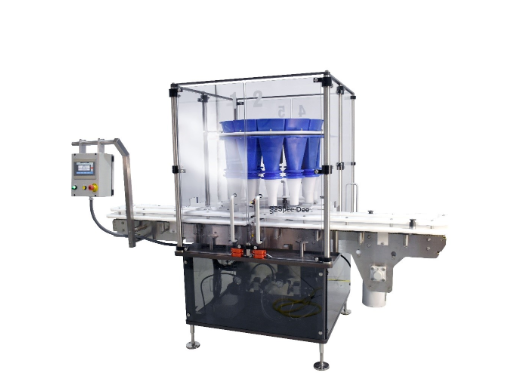
Most operators notice sound before speed. A steady hum means the auger is behaving. When automatic auger fillers run smoothly, the product flow feels boring, and boring is good. These machines portion powders and granules by volume, not by weight. Accuracy depends on stable material behavior, not marketing claims. Once people accept that, daily output becomes easier to manage and less stressful for everyone nearby.
Why product behavior causes quiet problems
Powders do not act the same every hour. Moisture, temperature, and vibration shift density slightly. Auger filling machines react to those changes without warning lights or alarms. That is why weight checks exist. Operators often adjust settings by feel rather than by manual. This habit is not lazy. It is learned from watching how materials settle, bridge, or suddenly rush when nobody expects them to.
Small parts that control big outcomes
The auger screw shape matters more than most brochures admit. Pitch, diameter, and surface finish change how the product moves. Automatic auger fillers with interchangeable screws offer flexibility, though swaps take time and patience. A worn screw slowly alters fill volumes, and people compensate without noticing. Regular inspection saves arguments later when numbers stop lining up with reports and supervisors start asking questions.
Cleaning routines affect performance quietly
Residue buildup increases friction inside the hopper and tube. That friction changes flow consistency over time. Auger filling machines used for food, chemicals, or supplements all face this issue. Cleaning too fast leaves residue. Cleaning too aggressively wears parts. Finding balance becomes part of the daily rhythm. Most teams learn through trial, error, and shared notes taped to machines.
Controls, screens, and human habits
Touchscreens look impressive, but do not replace understanding. Operators rely on sound, vibration, and fill appearance. auger filling machines respond instantly to setting changes, sometimes too instantly. Overcorrecting creates more variation. Experienced operators make smaller adjustments and wait. Training new staff takes longer than expected, mostly because intuition cannot be downloaded like software updates.
Choosing equipment without chasing trends
Capacity ratings mean little without context. Auger filling machines rated for high speeds may struggle with sticky or aerated products. Hopper design, agitation method, and torque limits matter more. Testing with real materials reveals limitations early. Budget decisions should include spare parts availability and service access, not just purchase price and delivery dates.
Conclusion
Automatic auger fillers work best when treated as tools, not miracles. They respond to material behavior, maintenance habits, and operator awareness every single shift. Understanding auger design, cleaning impact, and realistic output helps reduce waste and frustration. Auger filling machines reward teams that observe patterns and adjust calmly instead of reacting fast. If your operation is reviewing equipment or improving current performance, consult with an experienced packaging equipment professional who can evaluate your materials, environment, and production goals before recommending the next practical step.
