

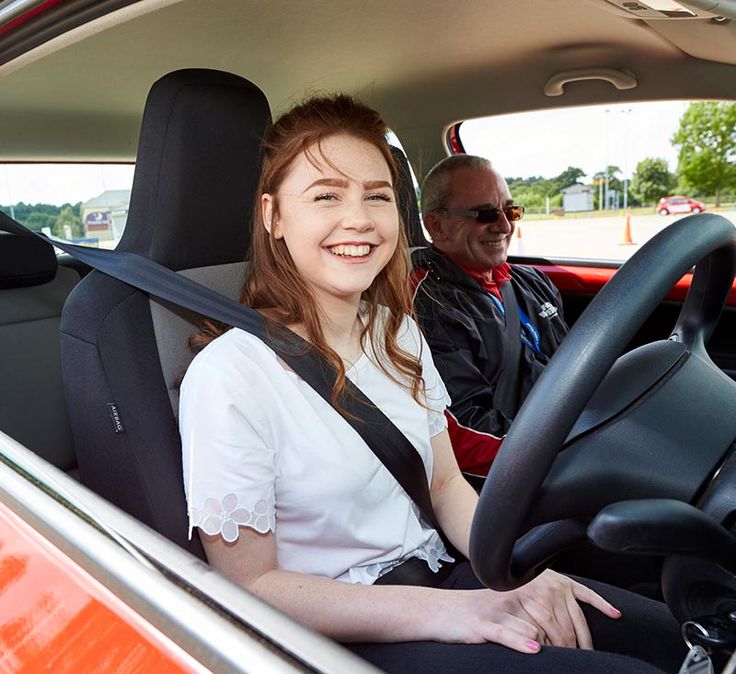
It’s thrilling to watch a teenager start to learn how to drive, but there are many questions that need to be answered. One of the biggest decisions in this stage will be the selection of the driver education program. A successful course educates beyond traffic laws and skills in driving a vehicle. It encourages young drivers to develop safe driving habits, responsible attitudes and confidence to deal with real-life situations on the road. When choosing an auto driving school in Richmond TX, it’s essential to know what to search for to help you make an educated decision for your family.
Why Driver Education Matters
A good drivers ed Richmond TX program will acquaint teens with the duties of driving before they’re on the road on their own. In structured lessons, students are taught about road signs, traffic rules, speeding, right-of-way and defensive driving.
Early education also teaches young drivers to be patient, aware and make good judgments. These lessons will give excellent knowledge input, which will be used in subsequent driving lessons.
Look for Structured Training
Each driving course should have a learning sequence that takes into account the learning process, rather than going from one subject to another in a random fashion. The quality of the programs starts with classroom instruction and slowly progresses to behind-the-wheel training.
Parents should inquire about the structure of the driving school while researching a Richmond driving school, as well as how students’ performance is tracked. A structured program enables instructors to develop the skills over the course of the program and gives the students ample opportunities to practice each new skill.
Instructor Quality Counts
Teens’ feelings during their first driving experiences can have a big impact on the instructor. The professional teachers recognize that each student is unique and are adaptable to their needs.
It is also important for parents to select instructors who have a clear approach to teaching and are patient with their mistakes, and foster a positive learning setting. Helpful guidance can assist the nervous student in developing his or her self-assurance much more rapidly.
Encourage Practice
The driving portion does not begin when the class ends! Students have the opportunity to practice what they have learned in a realistic environment through regular supervised practice. The more diverse the practice, the more relaxed young motorists will be.
Parents can help this process by practicing in the residential neighborhood, traffic lights, parking lots and on the streets of varying speeds. Practicing in various driving situations helps students become ready to deal with realistic driving conditions after obtaining their driver’s license.
Focus on Long-Term Safety
Getting the driving’s licence is not the end of the road. The overall objective is to educate teens to become responsible drivers, making safe decisions throughout their lives. Remind your child to concentrate, not get distracted, to drive at the correct speed and to be aware of any changes on the road.
These habits should be formed from the start and continue to benefit the driver beyond the first year of driving.
Conclusion
The decision of what driver education program to select is an investment in your teenager’s future safety and confidence in driving. MyFirstDrive.net offers valuable information on driver education, the process of driving lessons and training materials that can help families throughout the driver education process. Parents who choose a structured program, practice regularly and have their teens work with experienced instructors can help their teens acquire the knowledge, skills, and safe driving behaviors that will help them drive safely and confidently long after they get their license.
